As the Year of the Horse approaches, the Chinese Program welcomed nearly 80 students to a vibrant Spring Festival celebration, bringing the campus community together to bid farewell to the old year and embrace the new. Through traditional food, performances, and hands-on cultural activities, students experienced the rich customs and shared spirit at the heart of the Lunar New Year.
As the Year of the Horse approaches, the Chinese Program hosted a Spring Festival celebration, with approximately 80 students attending the event. Together, they bid farewell to the old year and welcomed the new while experiencing traditional Chinese New Year culture.
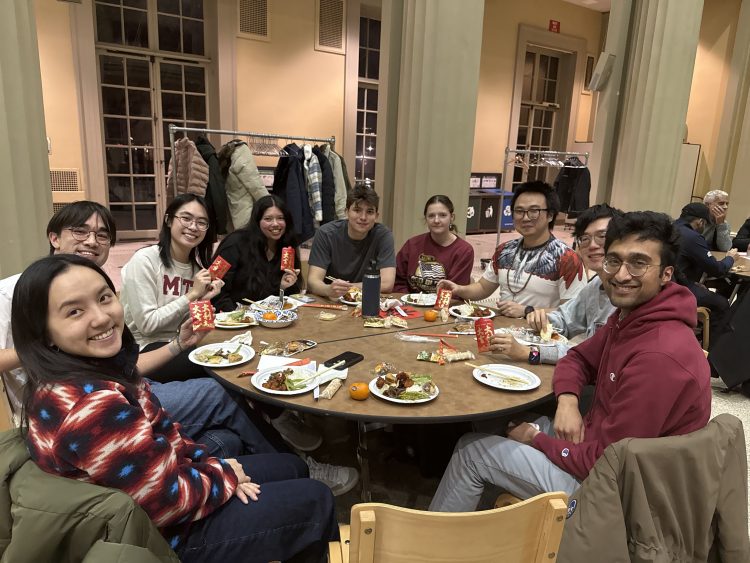
The celebration began with food, especially dumplings—an essential dish during the Spring Festival. Dumplings carry multiple cultural meanings, such as “the transition from old to new,” “welcoming good fortune,” “moving toward prosperity,” and “abundant wealth.” They embody people’s blessings and care for one another.
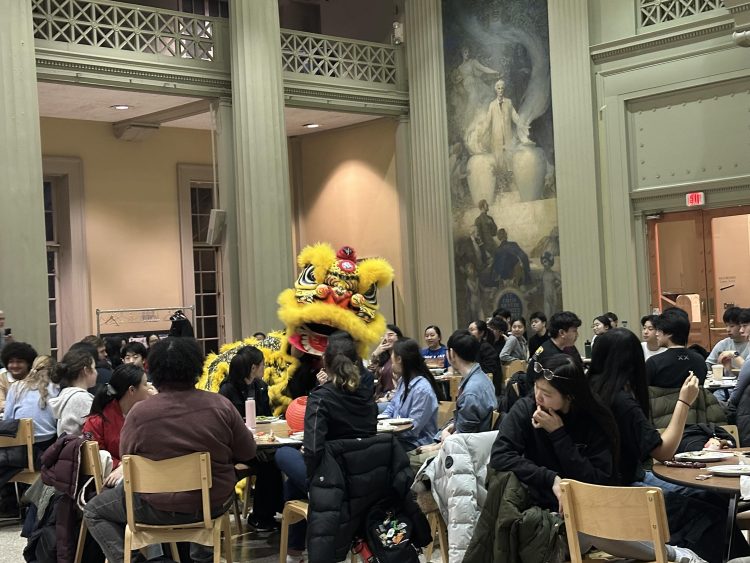
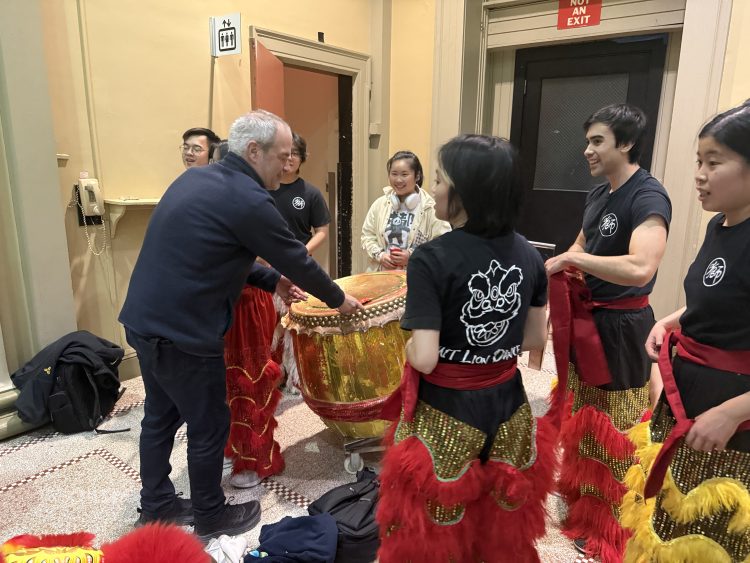
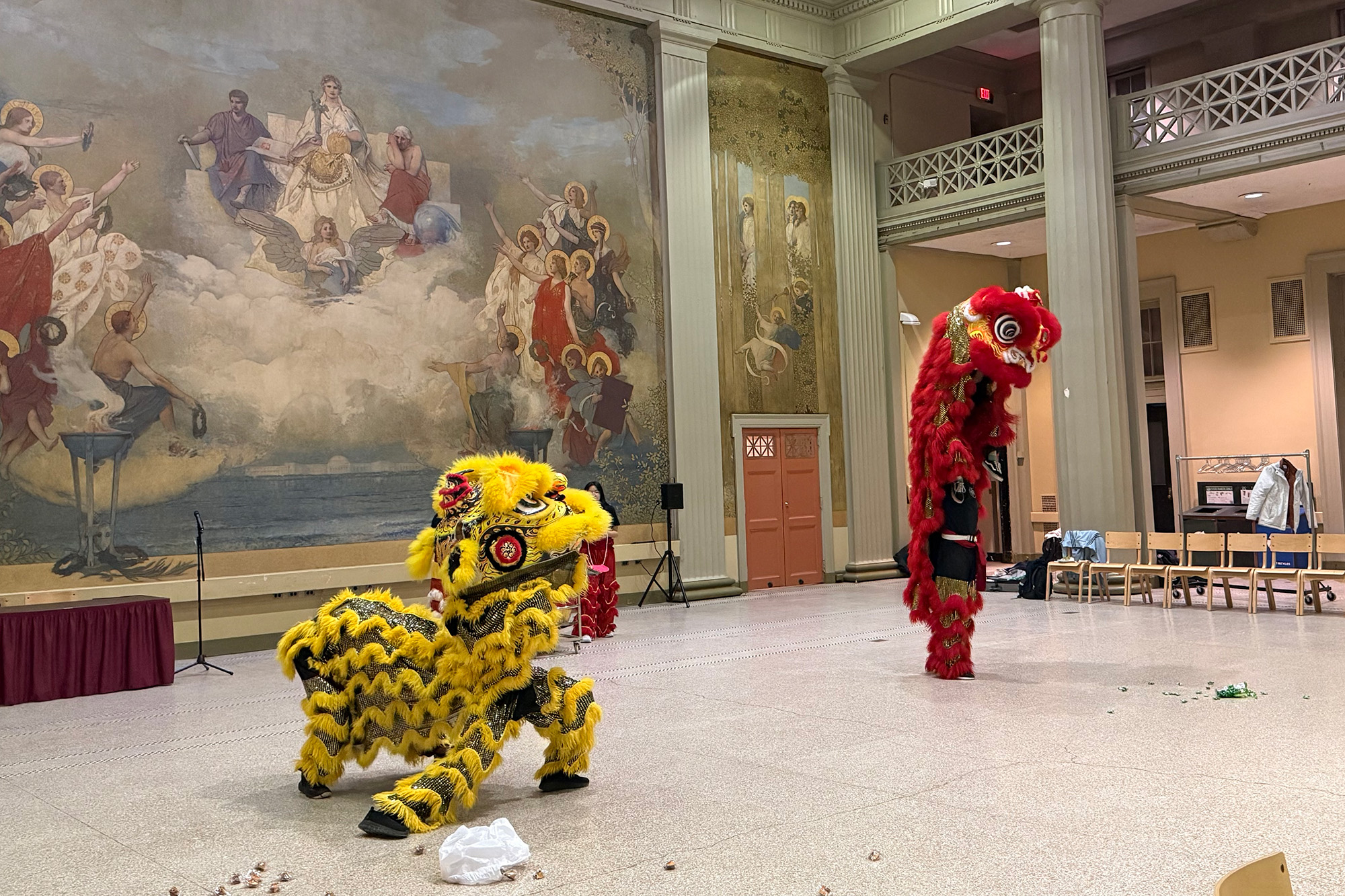
The highlight of the event was the arrival of the MIT Lion Dance Group. Accompanied by the rhythmic beat of drums, two lions made their entrance. They not only performed a series of impressive and challenging movements on stage, but also approached the students to interact with them, allowing everyone to experience the etiquette and traditions embedded in lion dance culture.
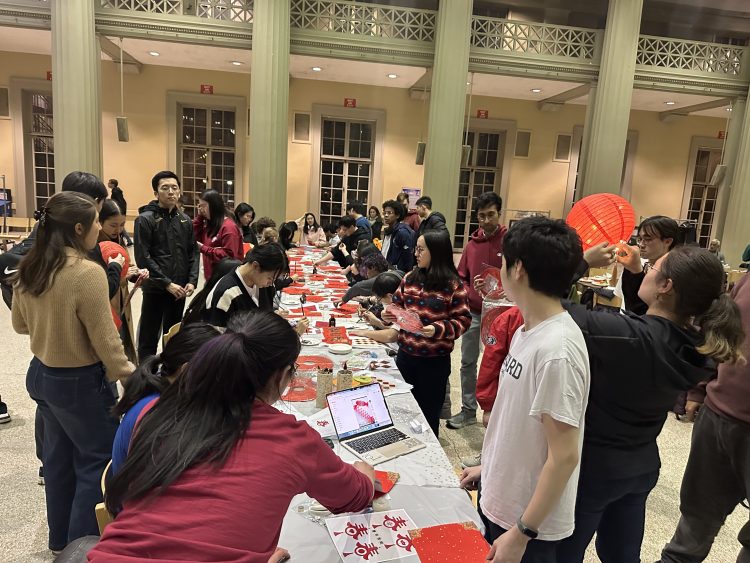
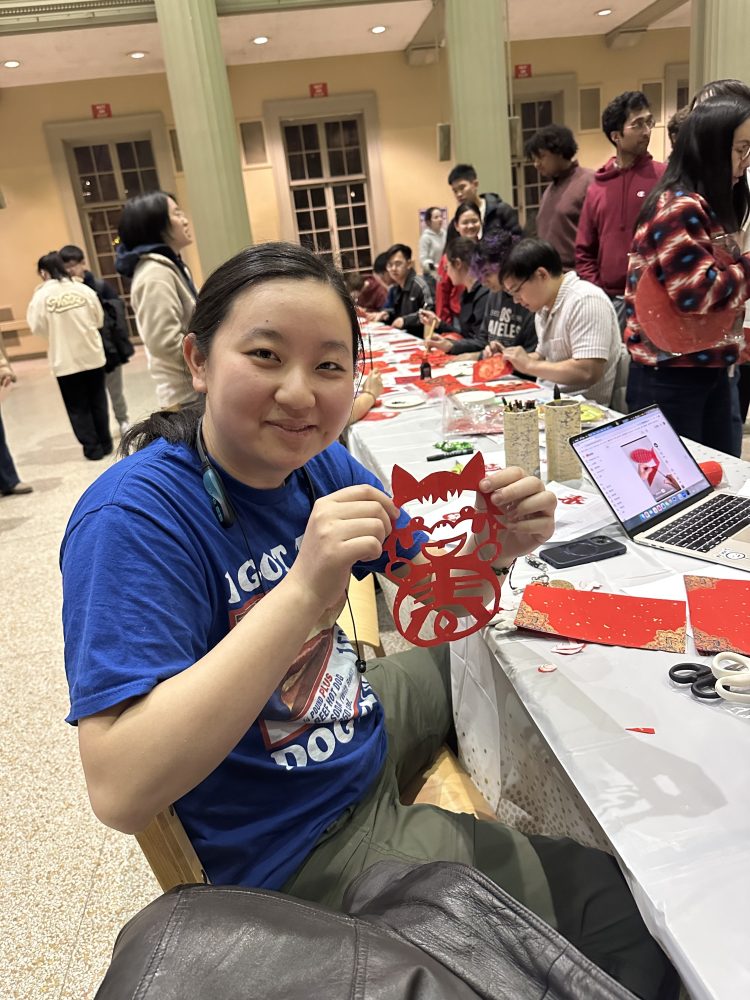
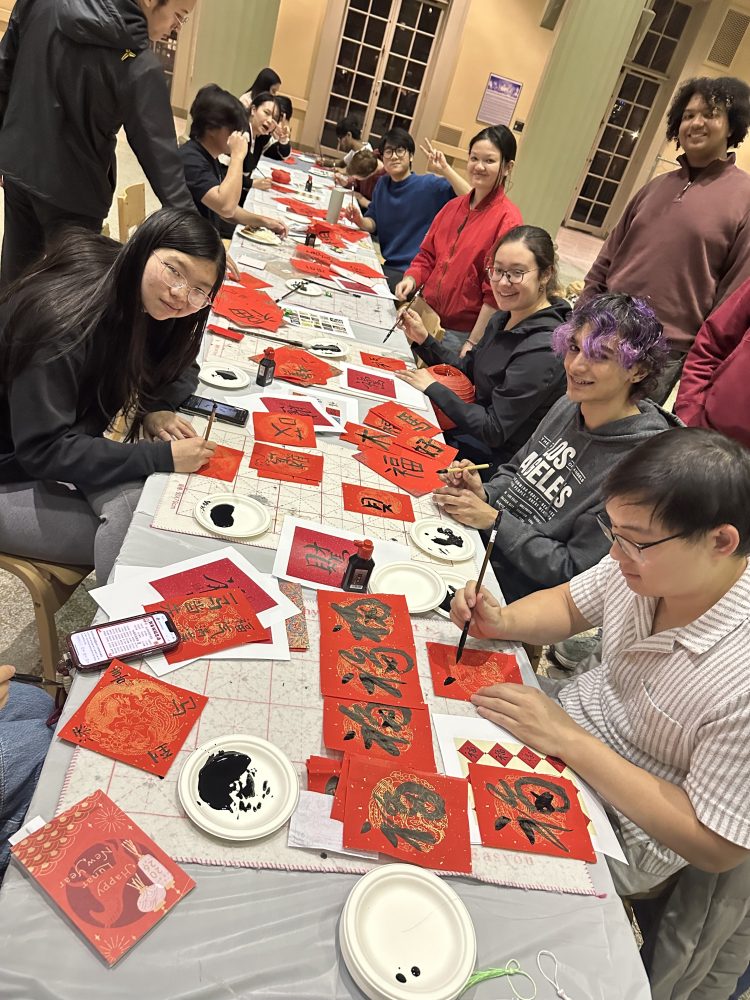
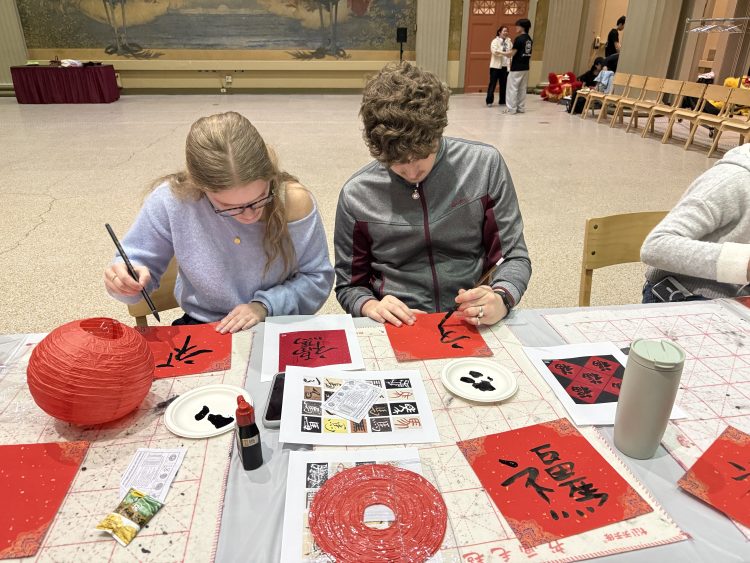
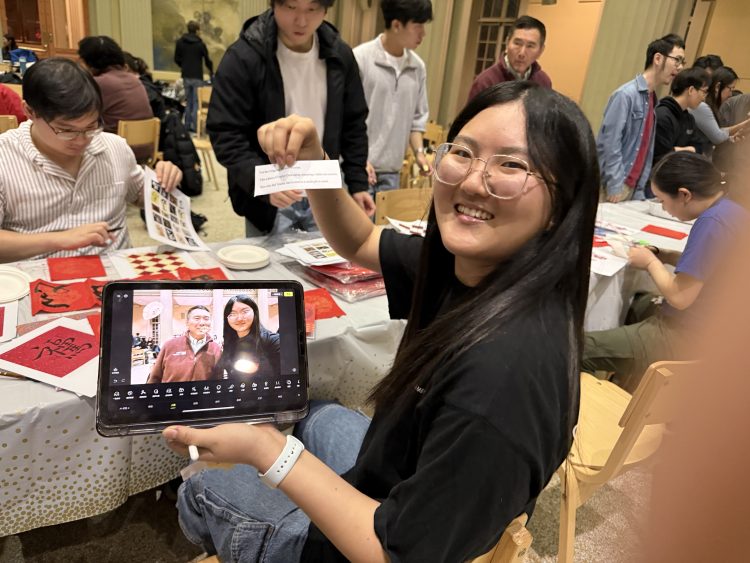
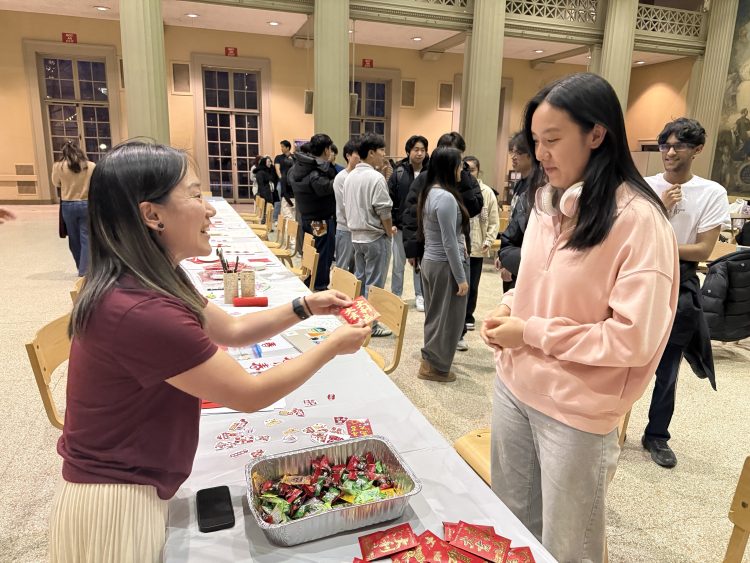
After the lively lion dance performance, students participated in a variety of cultural activities. Some gathered to write the character “福” (good fortune) in calligraphy; others crafted festive red lanterns; some eagerly solved lantern riddles to win small prizes; and others patiently used red paper to cut out the character “春” (spring) and the image of a horse.
At the end of the event, students exchanged New Year greetings and received red envelopes filled with well wishes and candy, symbolizing a smooth, joyful, and sweet year ahead.
For Chinese heritage students who are far from home, this celebration offered a meaningful opportunity to observe the most important holiday in Chinese culture with classmates and friends, stepping into the new year surrounded by joy and blessings. Many non-heritage students also took part, experiencing Spring Festival traditions firsthand and gaining a deeper appreciation of its significance, as well as the special bonds it fosters—between individuals, families, and cultural traditions.