
Congratulations to the winners of the 2026 Isabelle De Courtivron Writing Prize. This award is made annually to recognize high-quality undergraduate writing (creative or expository) on topics related to immigrant, diaspora, bicultural, bilingual, and/or mixed-race experiences. The prize was established to honor Professor Emerita Isabelle de Courtivron on the occasion of her retirement in 2010.
What does it mean to belong? How do language and family shape a sense of self? How can one feel like a “visitor” in one’s own culture? Can identity be rooted in one place, or does it take shape over time?
This year’s submissions to the de Courtivron Prize reflect a wide range of approaches to these questions. Some examine how ideas of home, origin, and belonging are shaped and reshaped over time, while others focus on the role of language and the tensions that arise across generations and contexts. Across genres, the entries explore diasporic life through personal narrative, reflection on language, and historical perspective. Several return to the experience of living between cultures: the pull of more than one home, the limits of language, and the challenge of expressing what does not easily translate.
Together, these works engage with the complexities of living across cultures, languages, and histories, offering varied perspectives on navigating multiple linguistic and cultural contexts. In these essays, identity takes shape gradually through heritage and lived experience. The committee appreciates the care and thought with which the authors approach these questions, and the ways in which their writing reflects the spirit of the de Courtivron Writing Prize.
First Prize
Kate Xu, “记得回来(Remember to Come Back)“. This essay offers a compelling exploration of bilingual experience and cultural return. Through a series of carefully observed scenes, the author conveys the challenges of moving between languages across different contexts, from the professional to the familial. The writing is particularly attentive to the limits of translation, especially in relation to family history and forms of connection that resist easy expression. The recurring sense of being a “visitor” in familiar cultural spaces is thoughtfully balanced by moments of recognition and belonging. Its strength lies in the sustained focus on bilingual experience and in the way these tensions are expressed through concrete, everyday situations.
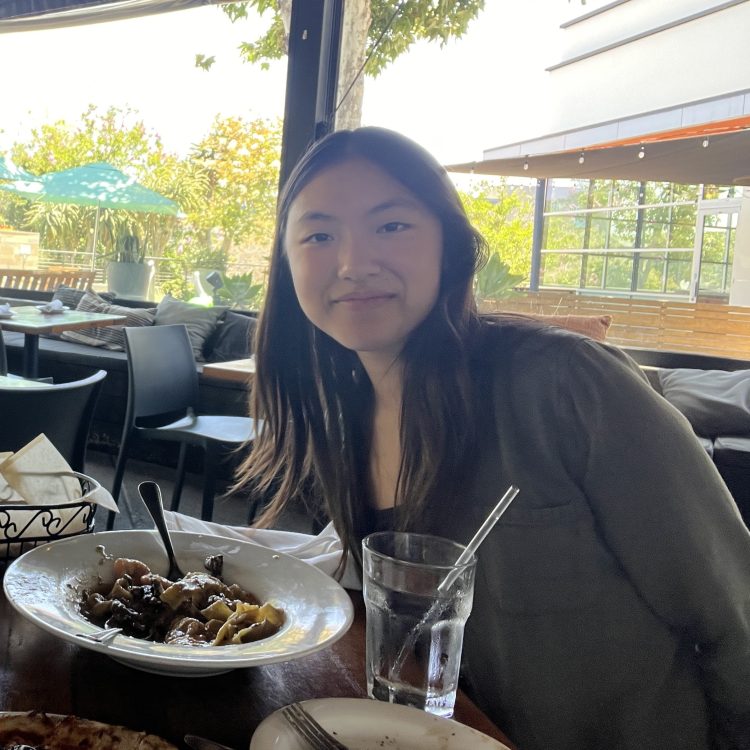
Kate Xu, Mechanical Engineering, Class of 2029
Second Prizes
Karya Basaraner, “Carved By Time “. Imaginative and richly detailed, this essay approaches the question of belonging through memory, place, and myth. Set in the ancient city of Ephesus, it moves between personal reflection and dreamlike sequences in which the writer “gambles with Greek gods” in search of peace. Vivid descriptions of the site ground the narrative and allow the central idea to take shape: identity as a “mosaic” formed across cultures and histories. The essay’s strength lies in how it brings together observation and imagination, using the landscape to give shape to its central idea of identity.
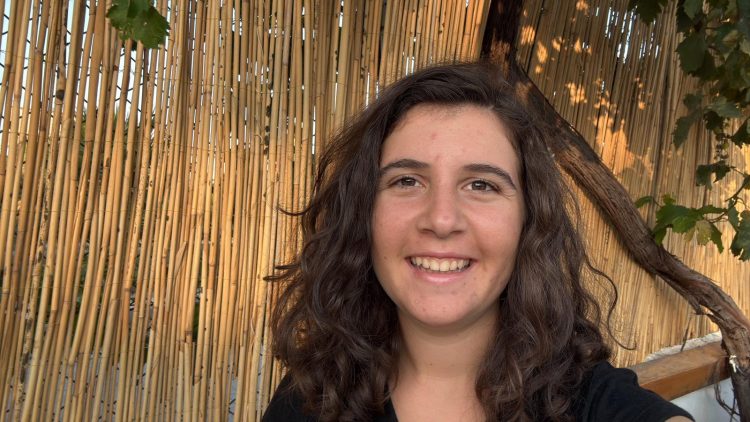
Karya Basaraner, Mechanical and Ocean Engineering, Class of 2028
Honorable Mentions
Ishana Chadha, First year, for “Where Borders Cut Through Memory“